Crise Humanitaire au Tchad : La FAO Lance un Plan d'Urgence et de Résilience Ambitieux (2026-2028)
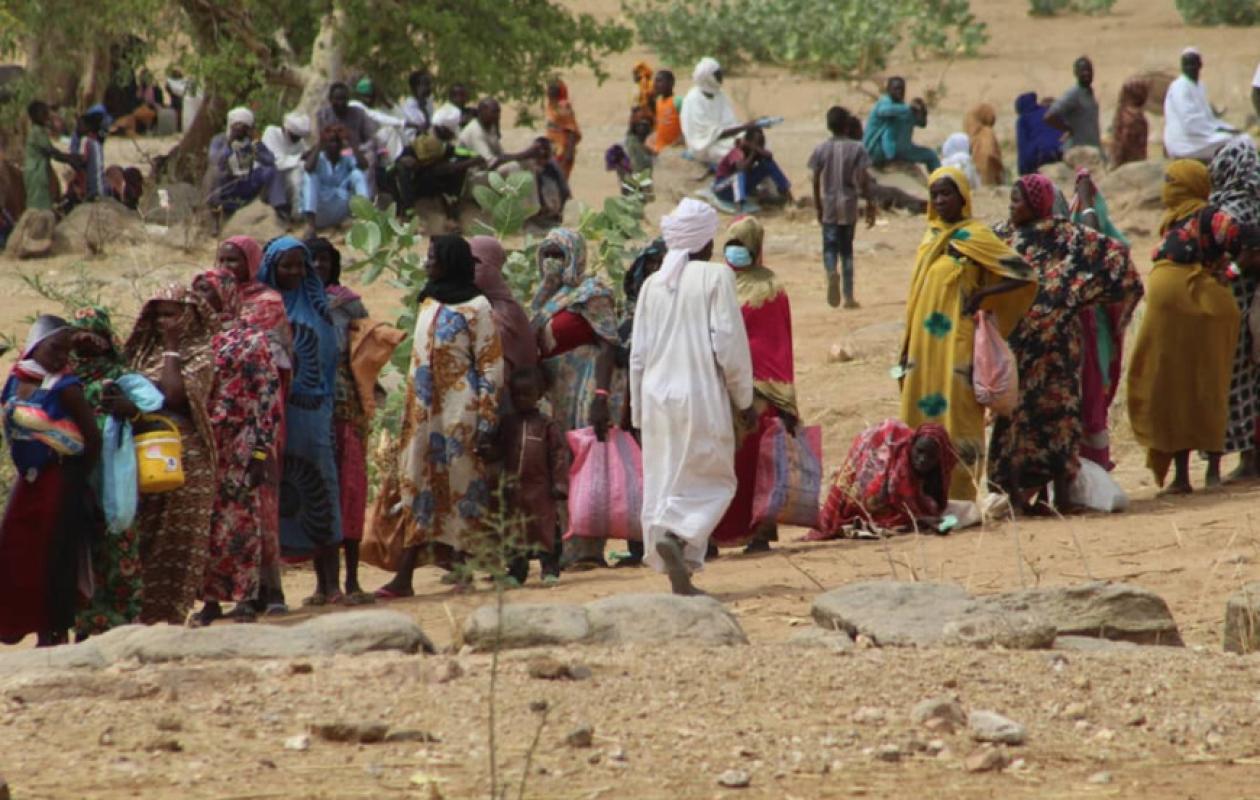
Chad is experiencing one of the most severe humanitarian crises in its recent history, combining armed conflict, mass displacement, climate shocks, and economic fragility. Faced with this critical situation, the Food and Agriculture Organization of the United Nations ( FAO ) has unveiled its 2026-2028 Emergency and Resilience Plan , aimed at providing a structured, sustainable, and integrated response to the most vulnerable populations.
🚨 An Alarming Emergency Situation
The crisis is having a devastating impact on the country's food and nutritional security:
- Acute food insecurity: In 2025 (lean season), approximately 3.3 million people, or more than a third of the population, were affected.
- Child malnutrition: More than 2 million children under the age of five suffered from acute malnutrition, including more than 500,000 severe cases.
- Displacement: Chad hosts nearly 1.46 million refugees (mainly Sudanese) and has more than 225,000 internally displaced persons , exacerbating pressure on already limited resources.
Aggravating Factors
In addition to the conflicts, the crisis is fueled by:
- Climate shocks: Droughts, floods (those of 2024 having caused the loss of $\sim$ 250,000 tonnes of cereals ), and irregular rainfall which undermine agricultural production.
- Economic constraints: Persistent inflation , rising costs of agricultural inputs and weak rural infrastructure hinder access to markets.
🎯 Four Strategic Pillars for Resilience
The FAO's 2026-2028 Plan marks a transition from ad hoc humanitarian aid to a sustainable approach, structured around four major results:
- Improving Analysis and Coordination: Strengthening data collection and early warning systems for better targeting of interventions and anticipation of crises.
- Emergency Food Security and Nutrition: Rapid distribution of agricultural kits , support for small livestock farming (animal vaccination), and support for market gardening and fish production.
- Enhancing Livelihood Resilience: Ensuring access to land, developing income-generating activities, technical training and job creation for displaced persons, refugees and host/returning communities.
- Reviving Agri-food Systems: Developing local value chains (cowpeas, moringa, spirulina, dairy/market garden products), promoting agri-food processing, alternative energies and the restoration of degraded lands (notably through the Great Green Wall initiative).
📈 Objectives and Funding Needs
- Targeting: FAO plans to assist 110,200 households by 2028, focusing on the most vulnerable regions (Wadi Fira, Sila, Ouaddaï, Lac, Kanem, Bahr-El-Gazel). Targeting will prioritize women, youth, and people with disabilities . The goal is to guide emergency beneficiaries toward recovery, thereby reducing their dependence on aid.
- Funding: Full implementation of the Plan requires US$86.1 million in funding for 2026-2028. These funds are essential to saving lives, restoring livelihoods and strengthening social cohesion in conflict and displacement areas.
🤝 Towards an "Emergency - Development - Peace" Strategy
This plan marks FAO's commitment to going beyond simple short-term aid. It aims to link emergency response with long-term development and peacebuilding .
- The strategy integrates the prevention of conflicts related to access to natural resources and the improvement of land and pastoral governance , with the active involvement of local communities.
Investing in resilient production systems is crucial for Chad, where 80% of the working population depends on agriculture . The 2026-2028 Plan is positioned as a fundamental tool for stabilizing the humanitarian situation and laying the foundations for inclusive development.
Auteur: Ivoirematin
Publié le: Jeudi 04 Décembre 2025






















Commentaires (0)
Participer à la Discussion
Règles de la communauté
💡 Astuce : Utilisez des emojis depuis votre téléphone ou le module emoji ci-dessous. Cliquez sur GIF pour ajouter un GIF animé. Collez un lien X/Twitter, TikTok ou Instagram pour l'afficher automatiquement.
Se connecter
Commentez avec votre profil, votre photo, et soyez averti des réponses.