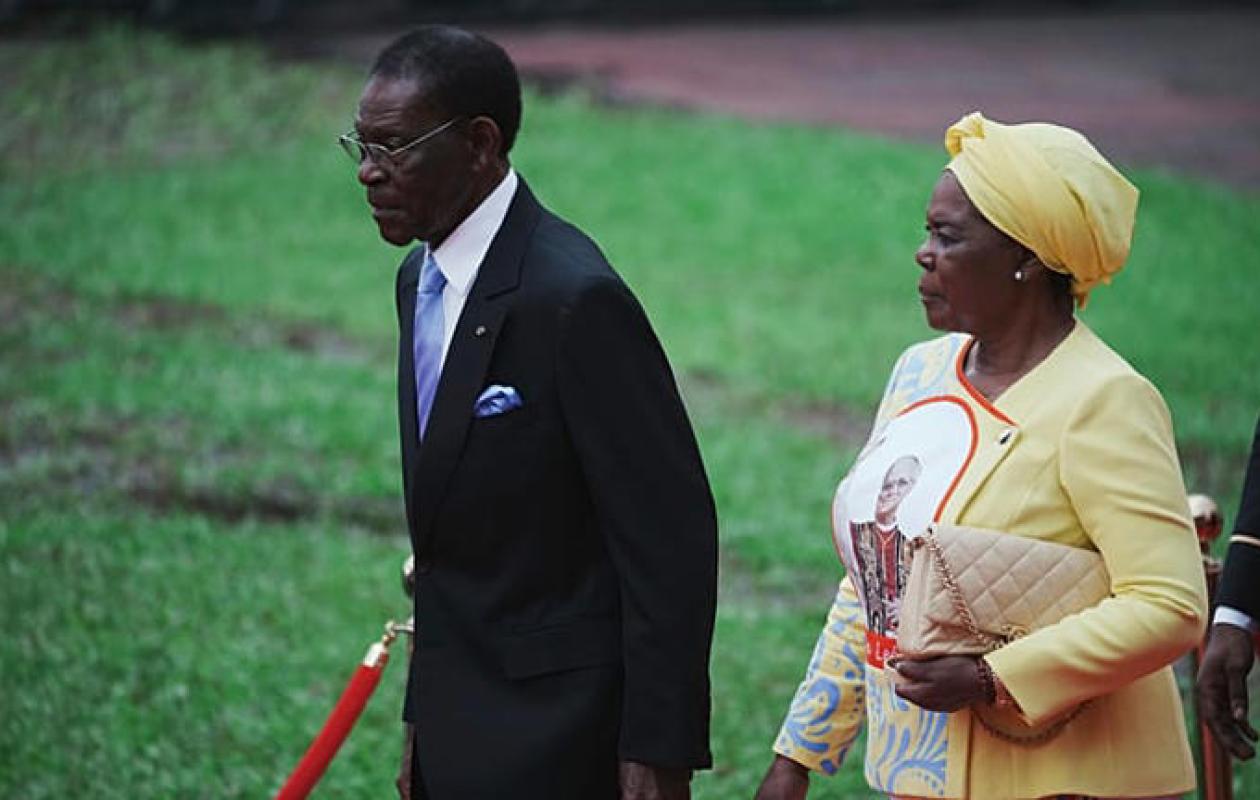
Crise politique en Guinée équatoriale : Démission collective du gouvernement face à un bilan jugé catastrophique
The government of Equatorial Guinea has submitted its mass resignation to President Teodoro Obiang Nguema Mbasogo. This drastic decision follows an internal audit revealing that only 10% of the objectives set by the executive branch have been achieved , a result deemed unacceptable given the resources mobilized.
It was during an extraordinary Council of Ministers meeting that the Prime Minister, Manuel Osa Nsue Nsua, formally submitted the resignation of his team.
Vice President Teodoro Nguema Obiang Mangue publicly justified this measure by citing an urgent need to restore administrative discipline and focus governance on results. For its part, the ruling party (PDGE) pointed the finger at:
The head of state, in power since 1979, is now preparing to appoint a new government team to get things back on track.
This dissolution comes at a time when the country's economic indicators are flashing red. Overly dependent on oil, Equatorial Guinea is suffering the full force of the decline in its hydrocarbon production.
Key figures of the crisis:
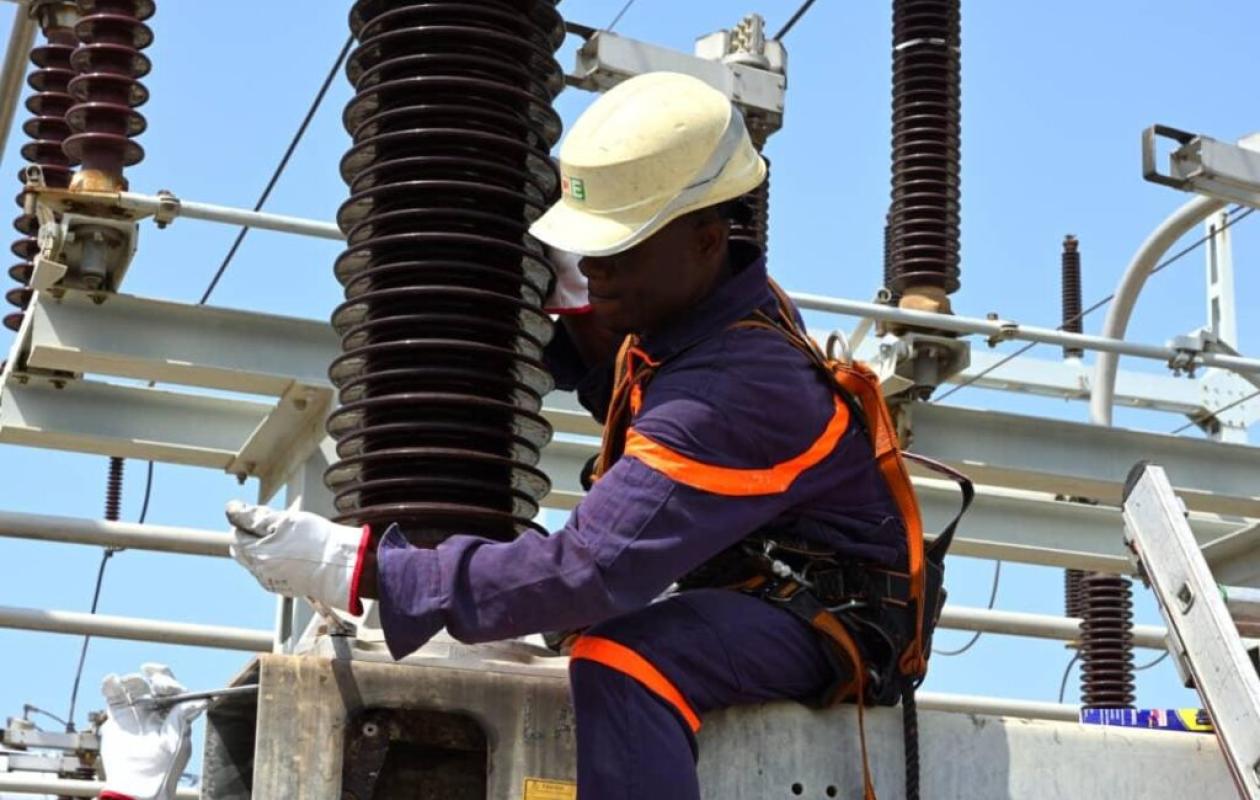
Faced with this impasse, the future government will have the daunting task of implementing long-promised structural reforms. To move away from dependence on oil, the authorities are demonstrating their commitment to accelerating economic diversification by prioritizing investments in four strategic sectors identified in the Agenda 2035 guidelines:

















Commentaires (0)
Participer à la Discussion
Règles de la communauté :
💡 Astuce : Utilisez des emojis depuis votre téléphone ou le module emoji ci-dessous. Cliquez sur GIF pour ajouter un GIF animé. Collez un lien X/Twitter, TikTok ou Instagram pour l'afficher automatiquement.