Enfants soldats au Mali : Une tragédie qui s'intensifie malgré les alertes
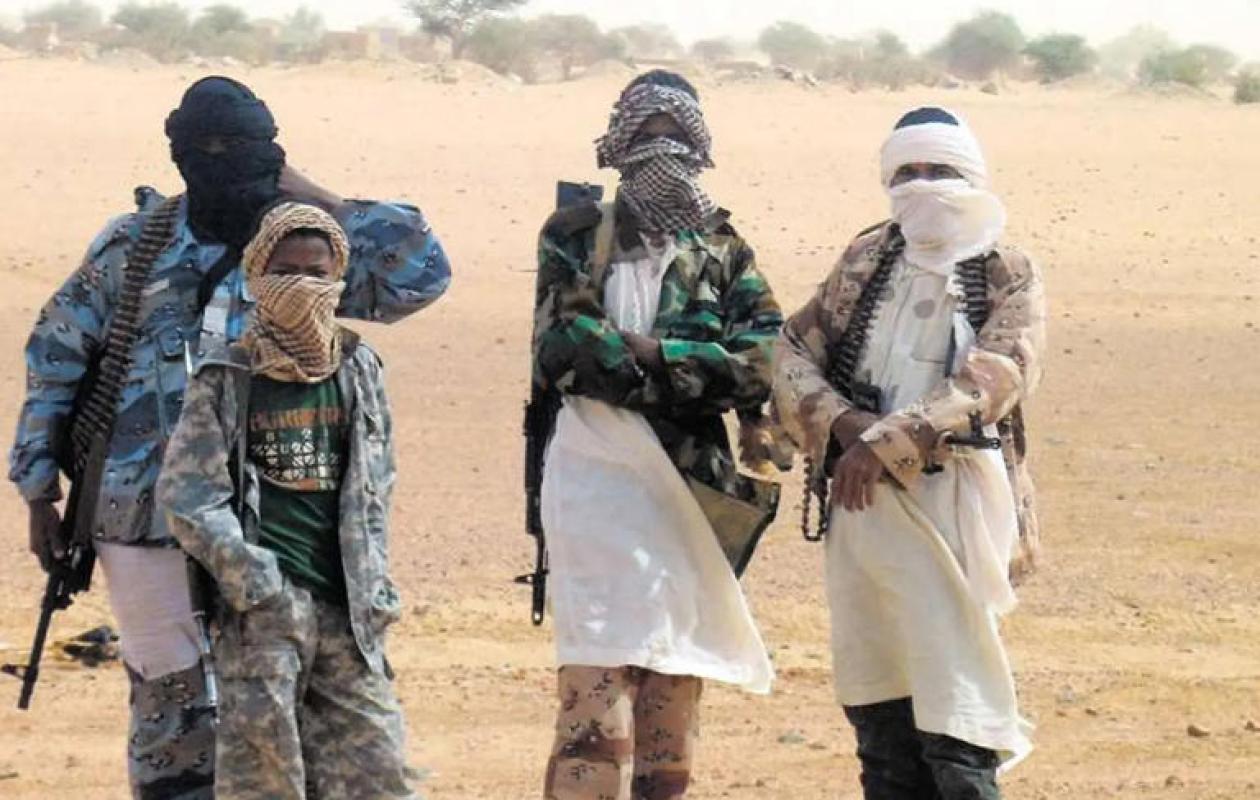
On the occasion of International Red Hand Day (February 12), the situation is grim: in Mali, the recruitment of children by armed groups continues unabated. Despite a range of international and national legal frameworks, recent figures reveal a worrying deterioration in the protection of minors.
1. A numerical assessment showing significant improvement
The latest report from the United Nations Secretary-General (January 2025) reveals an alarming increase in violations between 2022 and 2024:
- 1,052 verified cases of recruitment, compared to 901 in the previous period.
- 44 children enrolled per month on average (compared to 38 previously).
- Vulnerable profiles: While boys make up the majority, girls suffer specific forms of violence (domestic slavery, sexual violence). The age of victims varies from 4 to 17 years old .
- Responsible parties: The list includes extremist groups (JNIM, EIGS), signatories of the former Peace Agreement, community militias and, occasionally, national defense forces.
2. A solid legal framework but fragile implementation
Mali does, however, have legal means to combat this scourge:
- International Treaties: Accession to the Convention on the Rights of the Child and the 2002 Optional Protocol (prohibiting recruitment before the age of 18).
- Domestic Law: The new Penal Code of December 2024 now criminalizes the recruitment of minors, providing for sentences of up to 10 years imprisonment .
- UN recommendations: Antonio Guterres calls on Bamako to take a further step by adopting the Vancouver Principles to better integrate child protection into security strategies.
3. The roots of the problem: Why does recruitment persist?
The law clashes with a devastating socio-economic reality. Recruitment is not only forced; it is often the result of desperation.
"When schools disappear, the risk of collapse increases."
- School collapse: With 1,788 schools closed due to safety concerns, children are losing their main line of defense.
- Economic survival: Faced with extreme poverty, joining an armed group sometimes becomes a survival strategy to obtain a meal or protect one's family.
- Impunity: The lack of prosecutions against recruiters weakens the deterrent effect of the law.
4. The challenges of reintegration
Getting a child out of an armed group is only half the battle. Several obstacles hinder their return to a normal life:
- Lack of funding: Reintegration programs lack the resources to offer sustainable support.
- Stigmatization: Rejection by the community of origin often pushes the child to return to armed groups out of a sense of belonging.
Perspectives: How to reverse the trend?
According to analyst Oumar Sidibé , the solution must be multidimensional:
- Securing schools to give young people a future.
- Provide economic support to families to eliminate the financial incentive for recruitment.
- Strengthening the justice system to end the feeling of impunity among warlords.
Even though the challenge remains immense, hope remains: globally, more than 16,000 children received reintegration support in 2024, proving that coordinated action can break this cycle of violence.
Auteur: Ivoirematin
Publié le: Samedi 14 Février 2026
















Commentaires (1)
Participer à la Discussion
Règles de la communauté
💡 Astuce : Utilisez des emojis depuis votre téléphone ou le module emoji ci-dessous. Cliquez sur GIF pour ajouter un GIF animé. Collez un lien X/Twitter, TikTok ou Instagram pour l'afficher automatiquement.
Se connecter
Commentez avec votre profil, votre photo, et soyez averti des réponses.