L’Afrique, « décharge autorisée » du commerce mondial : le réveil nécessaire de la souveraineté économique
The rhetoric of trade sovereignty and investment attractiveness is no longer enough to mask the reality. When will African states finally decide to treat consumer protection as a matter of national security? This is the crucial question posed by sociologist Francis Akindès.
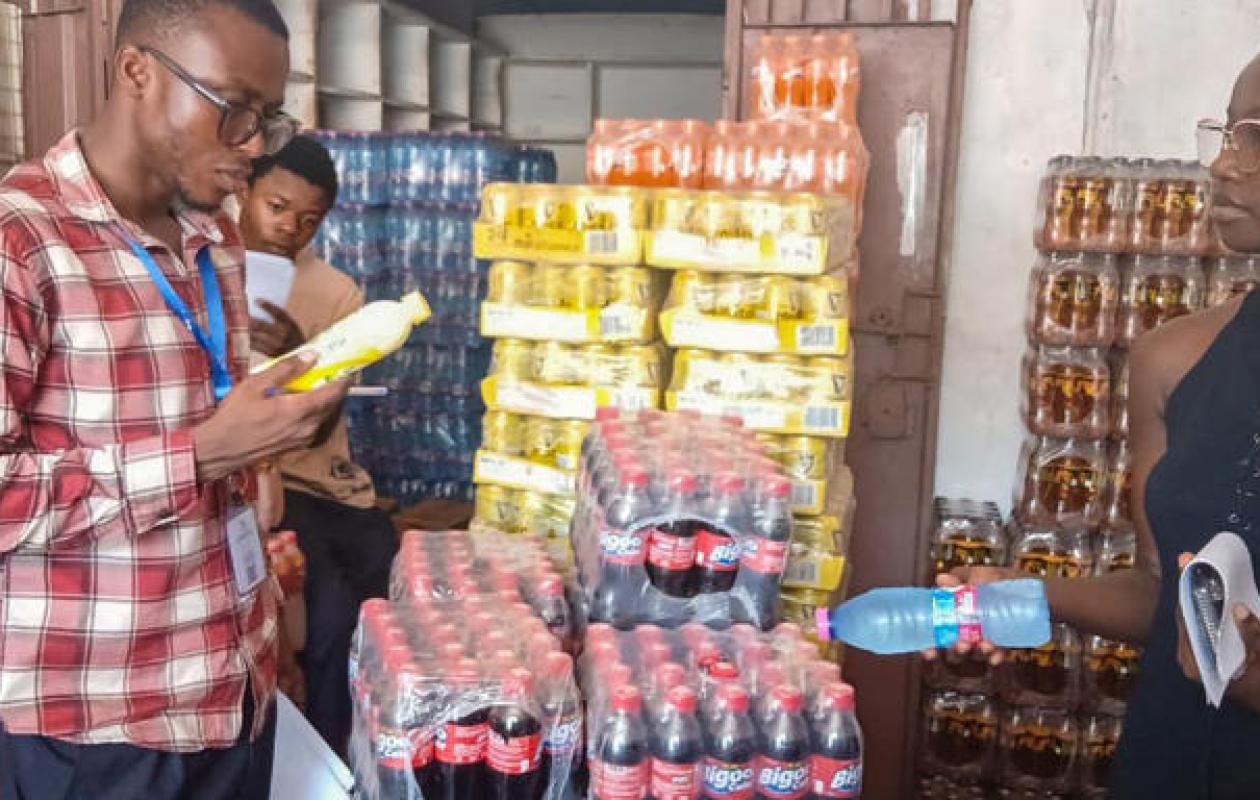
Recently, images of a Ghanaian authorities' inspection of a Chinese shopping mall circulated widely on social media. This was a welcome initiative by Ghana. It wasn't a targeted action against China or its citizens, but rather a necessary crackdown on importers who flood Africa with products deemed unfit for the Chinese domestic market. These operators exploit regulatory loopholes and corruption to circumvent safety standards.
This type of rigorous control should be the norm across the continent, particularly for imported building materials, food products, meat and medicines.
To quickly maximize their profits, some foreign trading networks—with particularly unethical practices—primarily target low-income populations. In Africa, these poorest consumers are unfortunately also the least protected by state control mechanisms.
This segment of the population has become a prime target for international trade actors who exploit the structural weaknesses of African administrations. While these niche markets prove highly profitable for these traders, they expose citizens to major health and safety risks. Low purchasing power then becomes a factor of vulnerability to potentially dangerous products.
The Ghanaian situation highlights a stark reality of global trade: for some operators, Africa is seen as a dumping ground for goods deemed undesirable or toxic elsewhere. This situation is not inevitable. It is the product of a system perpetuated by unscrupulous sellers and states whose regulatory bodies are either failing or paralyzed by corruption.
Traditional political discourse can no longer conceal this breaking point. The real question is political and ethical: when will African governments make the protection of citizens, especially the most vulnerable, a sovereign priority?
Allowing expired food, counterfeit medicines, or defective building materials into the country amounts to surrendering to foreign private interests the power of life and death over local populations. In this context, the corruption of customs or inspection officials is not a mere malfunction; it is the very driving force behind this predatory system.
What makes Ghana's action exceptional—and this is precisely the problem—is its rarity. The fact that the basic exercise of sovereignty (verifying the conformity of imported goods) has become a viral internet sensation speaks volumes about the shortcomings of economic governance in the region. This raises a fundamental question: faced with market pressures, can the protection of the most vulnerable become a permanent state policy, rather than simply a one-off public relations exercise?
The Ghanaian example must not remain a mere online anecdote. It must mark the beginning of a comprehensive overhaul of import control systems in Africa. Not out of superficial nationalism, but out of a fundamental demand for social justice.
| Observation | Mechanism | Solution required |
| Africa is being used as a dumping ground for substandard products. | Importers exploit consumer poverty and the corruption of regulators. | Elevating consumer protection to the level of a matter of national sovereignty and social justice. |

















Commentaires (17)
Participer à la Discussion
Règles de la communauté
💡 Astuce : Utilisez des emojis depuis votre téléphone ou le module emoji ci-dessous. Cliquez sur GIF pour ajouter un GIF animé. Collez un lien X/Twitter, TikTok ou Instagram pour l'afficher automatiquement.
Se connecter
Commentez avec votre profil, votre photo, et soyez averti des réponses.