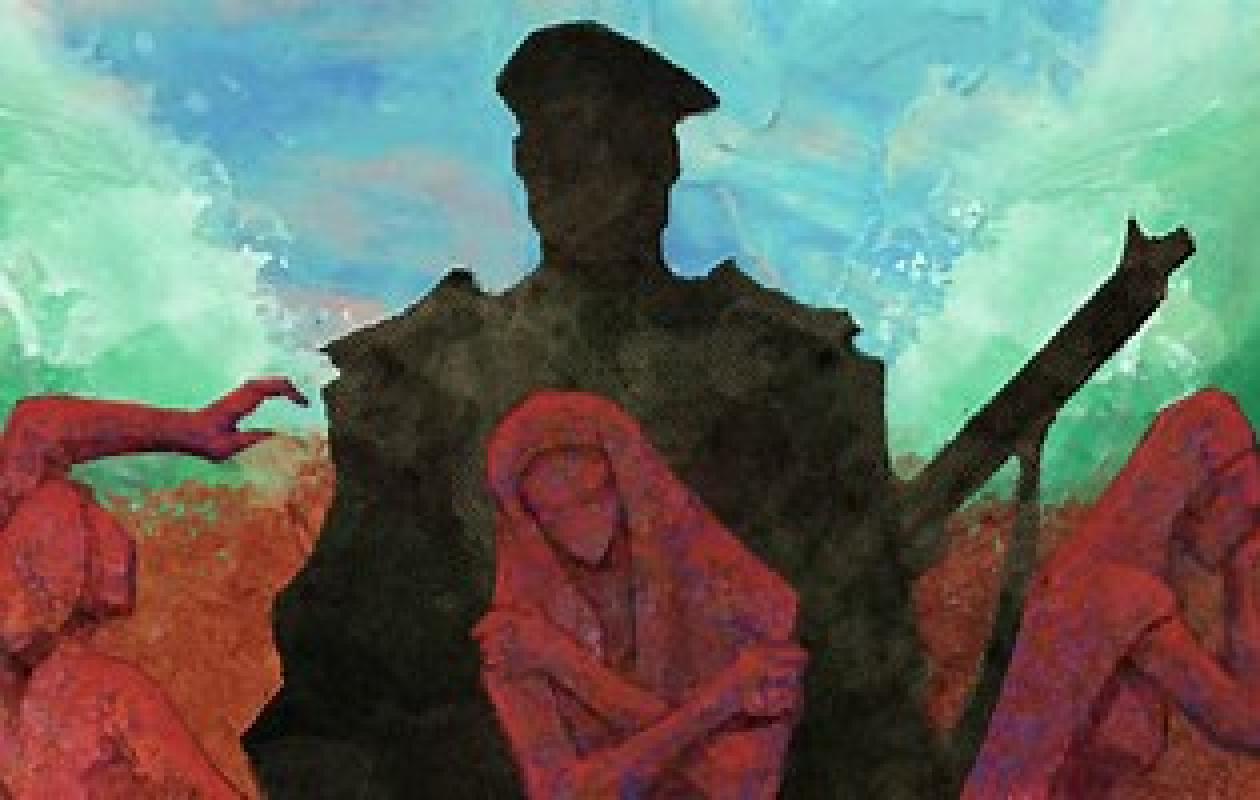
Mozambique : Un rapport étouffé de l'ONU révèle l'ampleur des violences sexuelles au Cabo Delgado
As part of the international investigation "Mozambique Exposed," conducted by the Forbidden Stories consortium (in which RFI collaborated), a confidential UN document sheds light on the plight of women in Cabo Delgado province. Written in 2024 by UNFPA (United Nations Population Fund) and titled "Voices of Mozambique," this report has remained under seal. The UN agency cites "quality" concerns and a lack of "priority" to justify its non-publication, even though the methodology used is identical to that of reports published in other countries in crisis.
However, the conclusion reached by investigators after interviewing more than a hundred people is unequivocal: since the outbreak of the conflict in 2017, the region has suffered an explosion of widespread sexual violence.
Cabo Delgado, a territory extremely rich in gas, lithium, and precious stones, is caught in the crossfire between the brutality of jihadist insurgents and the relentless response of the regular army. On both sides, women are paying the heaviest price.
For the thousands of women and teenage girls abducted by the Shebab terrorist group, daily life consists of forced labor and sexual slavery.
The report breaks a major taboo: the Mozambican Armed Forces (FADM) are themselves guilty of serious abuses of power and sexual violence.
The war has forced thousands of families onto the roads. In Pemba or Palma, the loss of livelihoods is pushing many women — and an alarming number of minors — towards survival prostitution.
The Mirage of Natural Gas: In 2012, a colossal gas field was discovered off the coast of Palma. While the major project led by TotalEnergies was put on hold due to insecurity, the local economy remains plagued by false promises. Mozambican businessmen, from outside the region, are exploiting the widespread distress by promising women jobs in exchange for sexual favors. Jobs that never materialize.
The non-publication of this report comes at a time when the security situation has deteriorated considerably in 2024. The withdrawal of regional troops from the SADC (Southern Africa Mission) has left a vacuum, leading to a 36% increase in deadly attacks in one year, according to the organization ACLED.
Behind the statistics lie ongoing human tragedies, like that of Olessa Ibrahimou, a 41-year-old mother and refugee in Pemba. During the attack on her village in 2021, she was spared because of her pregnancy, but her two daughters, then aged 15 and 17, were taken by the attackers. She has never seen them again.















Commentaires (0)
Participer à la Discussion
Règles de la communauté :
💡 Astuce : Utilisez des emojis depuis votre téléphone ou le module emoji ci-dessous. Cliquez sur GIF pour ajouter un GIF animé. Collez un lien X/Twitter, TikTok ou Instagram pour l'afficher automatiquement.