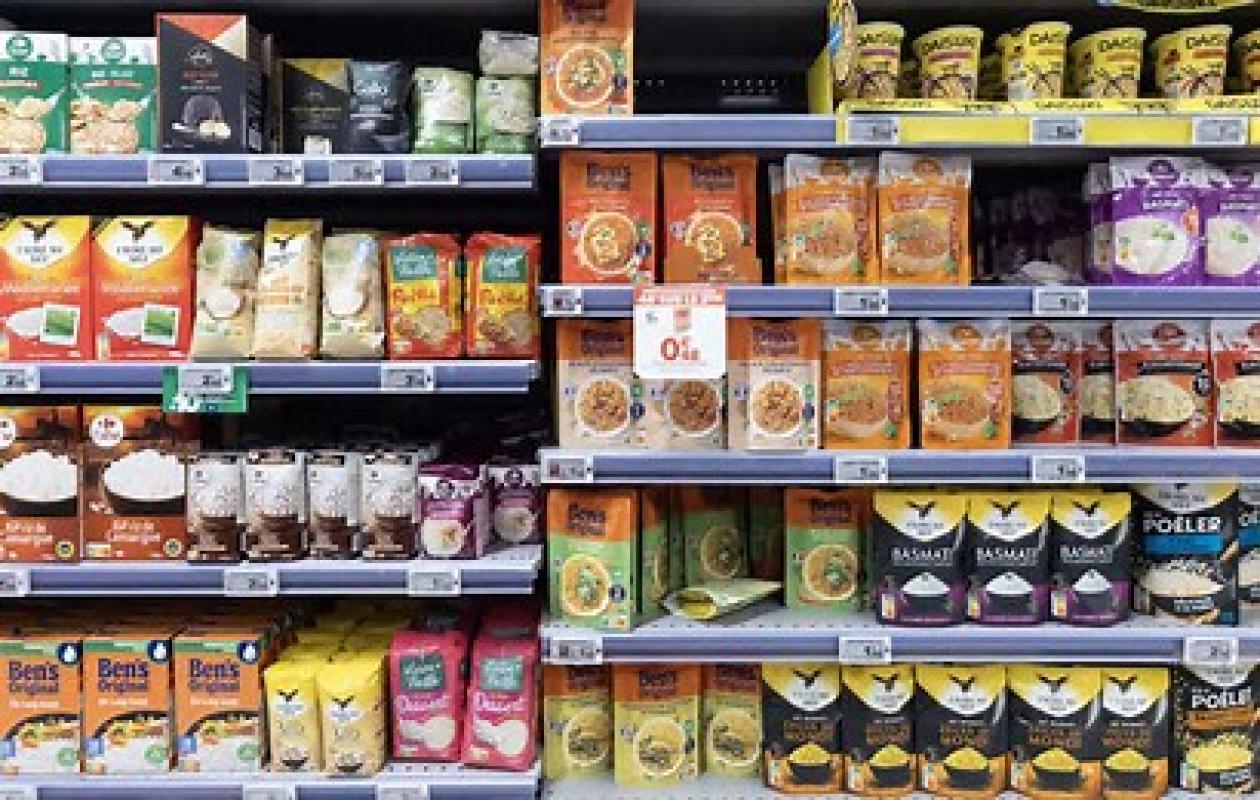
L'UE/Alerte dans nos assiettes : du riz, du thé et des épices importés truffés de pesticides interdits
A new report from the consumer advocacy group Foodwatch has thrown a wrench into the works of European food safety. The NGO is calling for an urgent overhaul of controls after detecting chemicals strictly prohibited in the European Union (EU) in everyday products imported from third countries.
Foodwatch had 64 consumer products (national brands and store brands) purchased in France, Germany, Austria, and the Netherlands analyzed in a laboratory. The results are revealing:
| Product | Brand / Store | Country of purchase | Prohibited substances detected |
| Ground sweet paprika | Ducros | France | Chlorfenapyr & Flonicamide (insecticides) |
| Thai rice | Winged Bull | France | Anthraquinone (beyond legal limits) |
| Rice | Lidl | Austria | Acetamiprid (neonicotinoid) |
| Cumin | Edeka & Lidl | Germany | Flamprop (herbicide) |
Note: Among the most frequently found substances are three neonicotinoids ("bee killers") as well as isoprothiolane, a fungicide widely used on rice crops.
How can we explain such a presence on our shelves? The NGO points to serious legal loopholes and denounces a "boomerang effect" :
This warning comes as Brussels prepares a food safety reform, dubbed the "Omnibus" package. Far from reassuring, this draft law is provoking anger among NGOs. Foodwatch denounces it as a "general relaxation of rules" in the name of administrative simplification. If the text is adopted as is by the European Parliament, it could:
Faced with this situation, the NGO is calling for the immediate establishment of a maximum residue limit of zero for all unauthorized pesticides, the definitive cessation of trade in these toxic substances, and is urging Parliament and Member States to massively reject the "Omnibus" bill.























Commentaires (0)
Participer à la Discussion
Règles de la communauté
💡 Astuce : Utilisez des emojis depuis votre téléphone ou le module emoji ci-dessous. Cliquez sur GIF pour ajouter un GIF animé. Collez un lien X/Twitter, TikTok ou Instagram pour l'afficher automatiquement.
Se connecter
Commentez avec votre profil, votre photo, et soyez averti des réponses.