Tunisie : Climat social sous tension et colère contre le pouvoir de Kaïs Saïed
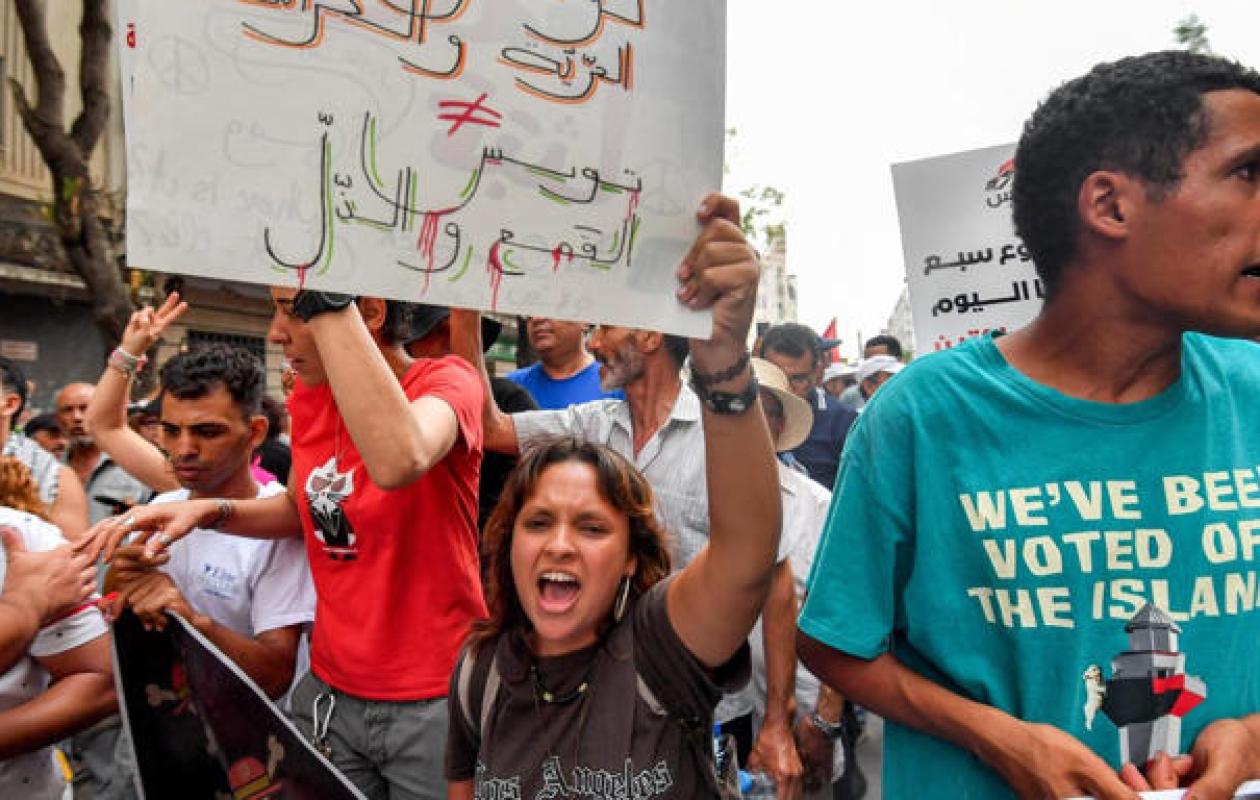
Nearly 2,500 people gathered on July 25 in the streets of the Tunisian capital to denounce the regime of Kaïs Saïed, five years to the day after his institutional power grab. Between political repression and an energy crisis exacerbated by a historic heatwave, public discontent continues to grow.
"Get out!", "No water, no electricity, only prison and price increases!": the slogans chanted in the heart of Tunis sum up the climate of widespread frustration that reigns in the country.
For the organizers and civil society figures, this gathering represented a demand for transparency. Wissem Sghaier, spokesperson for the opposition party Al Joumhouri , emphasized that the crowd had taken to the streets to "demand accountability" for the abuses of power. Academic Mouldi Gassoumi, for his part, described the march as "a popular and civic call to rediscover the values and principles of the Republic."
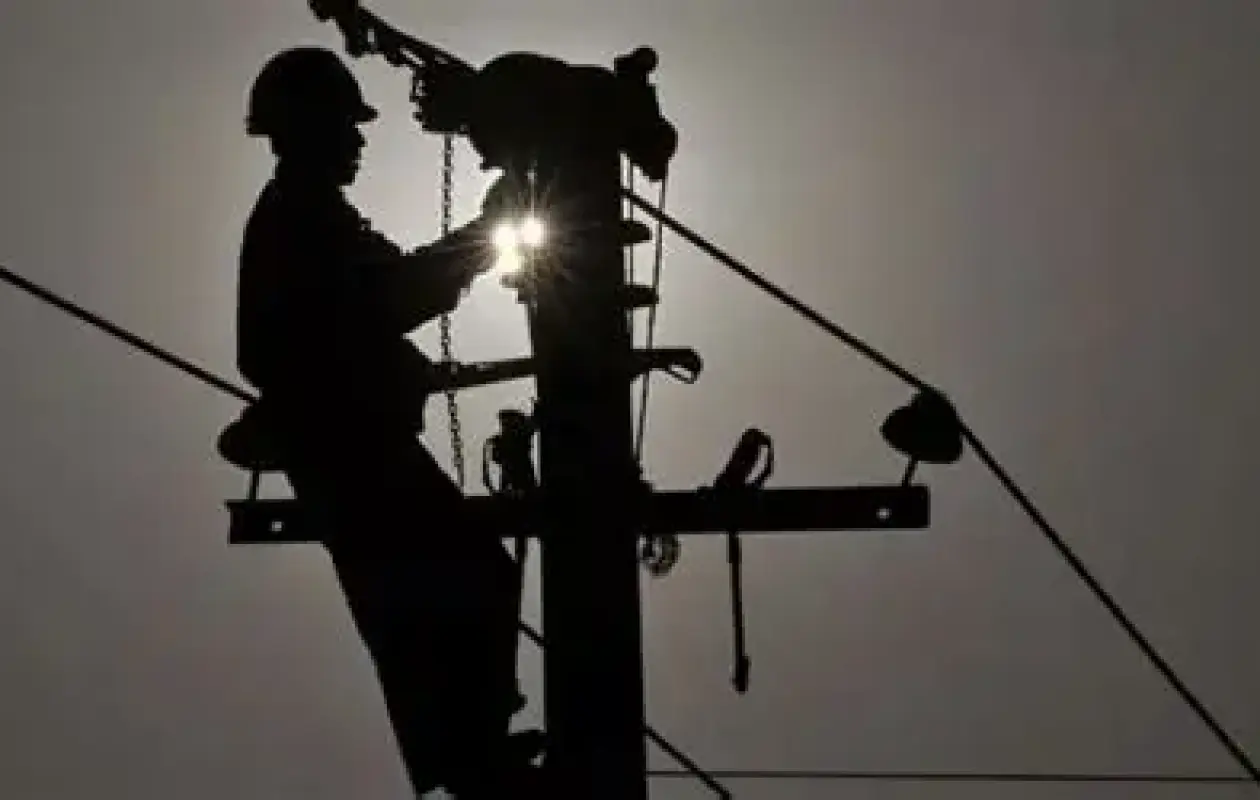
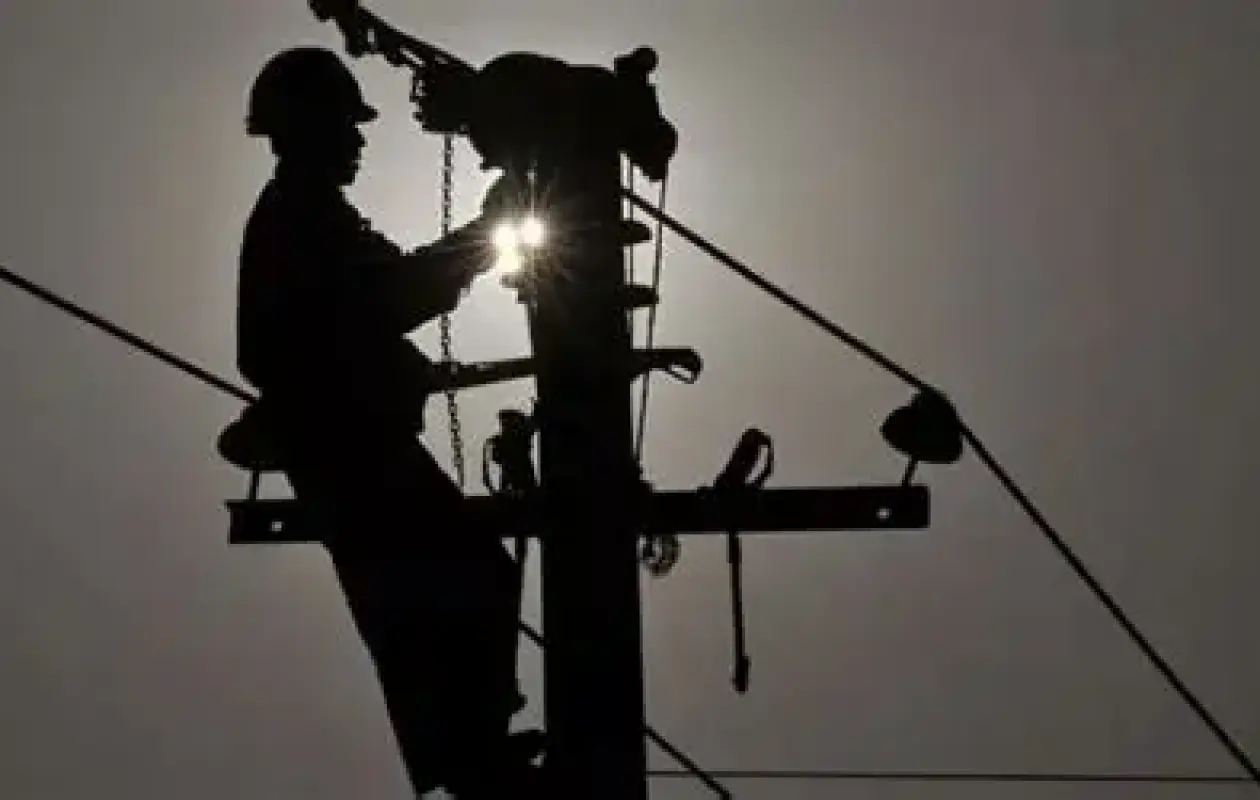
In addition to the political unrest, a daily crisis has become unbearable. Suffering from an extreme heat wave, Tunisia is living with recurring water and electricity cuts. Organized by the authorities to prevent the collapse of an electrical grid overloaded by the massive use of air conditioning, these interruptions are jeopardizing essential infrastructure, particularly the hospital sector.
Faced with the deteriorating situation in emergency rooms, the Tunisian Organization of Young Doctors (OTJM) broke its silence on July 25th. The association launched an urgent appeal for donations—specifically requesting ice to treat patients suffering from heatstroke—and urged medical students to come and reinforce the overwhelmed medical teams.
According to the president of the OTJM, data from the field indicates that 150 to 200 deaths have been attributable to the heatwave in recent days. At this stage, the Ministry of Health has not released any official figures and has declined to comment.
Alongside this internal tension, the Tunisian government has opened a diplomatic front. The Minister of Foreign Affairs summoned the French ambassador on Friday, July 24, protesting the broadcast by a French public broadcasting outlet of an interview given to a "person wanted by Tunisian justice."
Tunisian diplomacy described the interview as an "attack on state sovereignty," asserting that it harmed national security and incited "sedition." Although the government did not directly name the media outlet or the guest, observers close to the regime suggested it was similar to an interview given by former president Moncef Marzouki on France 24.







Commentaires (0)
Participer à la Discussion
Règles de la communauté
💡 Astuce : Utilisez des emojis depuis votre téléphone ou le module emoji ci-dessous. Cliquez sur GIF pour ajouter un GIF animé. Collez un lien X/Twitter, TikTok ou Instagram pour l'afficher automatiquement.
Se connecter
Commentez avec votre profil, votre photo, et soyez averti des réponses.