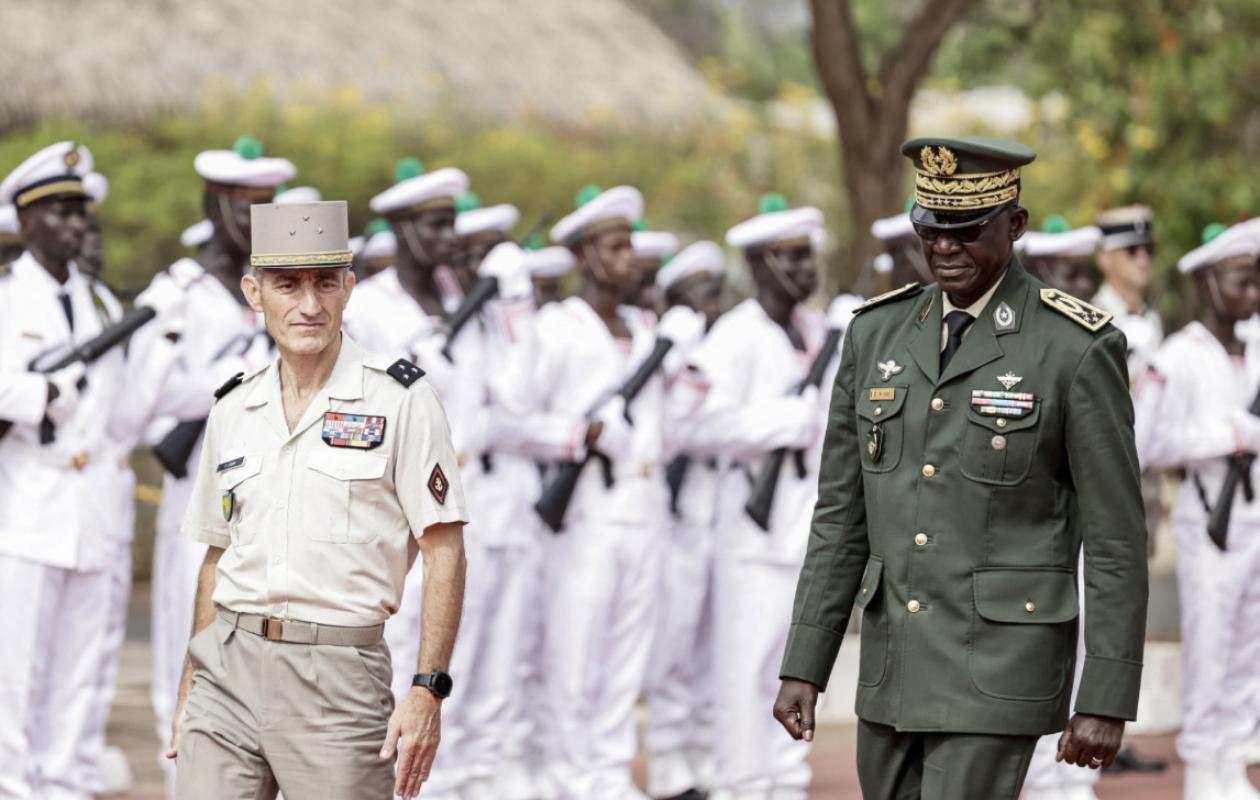
Bases militaires étrangères : Un moteur économique méconnu au cœur des États
The presence of a foreign military base is most often analyzed from a security or strategic perspective, whereas it also produces very real, sometimes lasting, economic effects that extend far beyond mere military cooperation. In several countries, these installations generate regular financial flows, support local activities, and are integrated into economic balances that are not always immediately apparent.
In practical terms, a mining base functions as a relatively stable center of expenditure within the local economy. It generates construction contracts, logistics services, maintenance, transportation, and catering, and supports a network of national businesses. Added to this are the salaries paid to local staff, which fuel consumption and indirectly benefit other sectors. In economies where the private sector remains relatively undiversified, these flows can represent significant support for economic activity.
The example of Djibouti: A strategic rent-seeking economy
The example of Djibouti allows us to measure this reality on a particularly visible scale. The country hosts several foreign bases, notably American, French, and Chinese; the rents paid by these powers represent tens of millions of dollars annually for the state. Relative to the size of the Djiboutian economy, this revenue constitutes a significant budgetary resource, in addition to local expenses related to the daily operation of the facilities.
However, the impact is not limited to direct financial flows, as it also extends to the infrastructure that accompanies these presences. Roads, port facilities, airport runways, and logistics networks are often developed or modernized to meet military needs, while remaining usable for other economic activities. This overlap between strategic and economic use creates ripple effects that can, in some cases, extend beyond the military presence itself.
The case of Senegal: A diplomatic and economic turning point
In West Africa, this dimension has long existed, even if it was less visible. Senegal, for example, hosted French forces in Dakar for several decades, with a whole ecosystem of local service providers revolving around this presence. The decision announced in 2024 to end these deployments by 2025 is therefore not solely a matter of diplomatic repositioning, but also entails economic adjustments for the businesses and services that depended on them.
This military presence also maintains a close relationship with diplomatic balances, as it is generally part of broader partnerships. A country hosting a foreign base often benefits from enhanced cooperation, which can take the form of funding, assistance programs, or facilitated access to certain projects. At the same time, this proximity can influence certain political orientations, particularly when strategic interests are at stake.
An impact relative to the size of the economy
The magnitude of these effects, however, depends on the relative size of the national economy. Indeed, a military base does not produce the same impacts in a diversified country as in a smaller economy. In cases where revenue sources are limited, these facilities can become a major economic driver, whereas in larger economies, they remain just one element among many.
In conclusion, this type of presence is not limited to a simple question of defense. It is part of a broader context where budgetary issues, local dynamics and international relations intersect, with economic effects that are sometimes subtle, but very real.






















Commentaires (0)
Participer à la Discussion
Règles de la communauté :
💡 Astuce : Utilisez des emojis depuis votre téléphone ou le module emoji ci-dessous. Cliquez sur GIF pour ajouter un GIF animé. Collez un lien X/Twitter, TikTok ou Instagram pour l'afficher automatiquement.