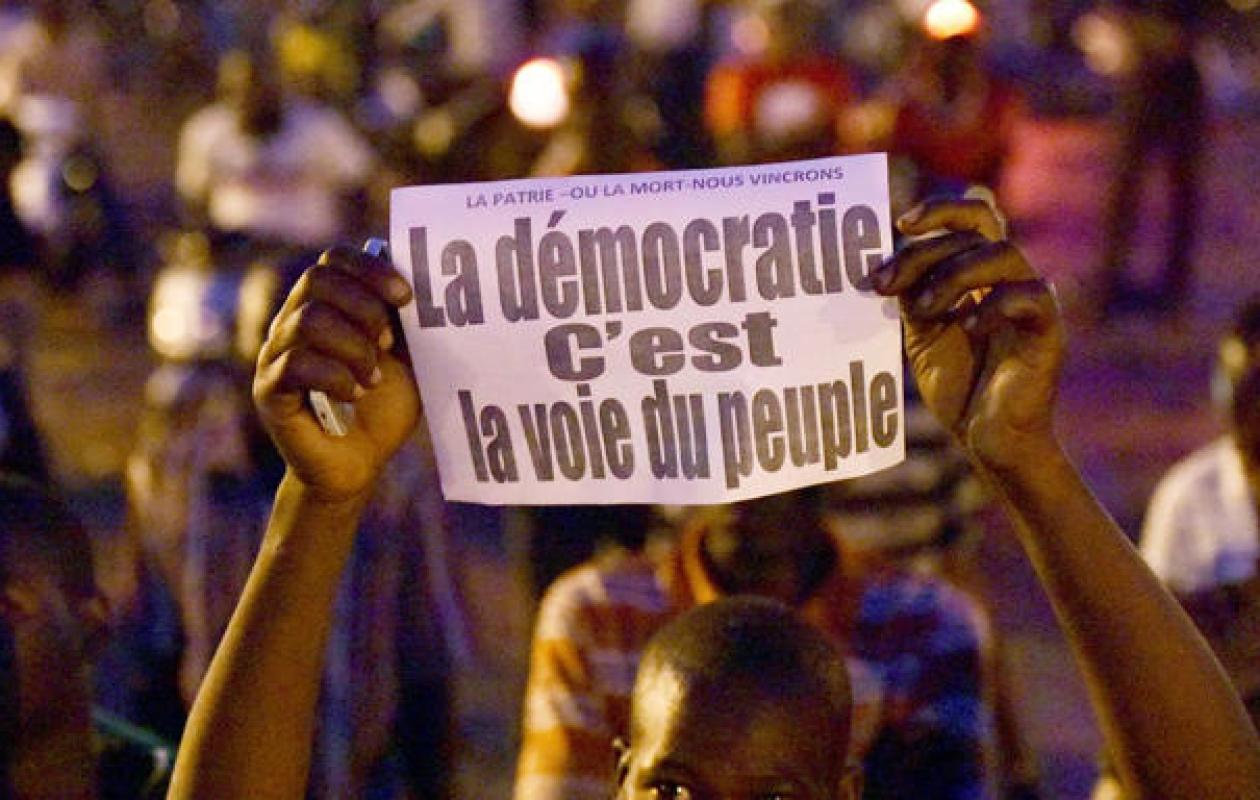
Afrique : Pourquoi parler de « crise de la démocratie » est un contresens
According to political scientist Achille Mbembe, the usual diagnosis of Africa is flawed: democracy cannot be in crisis where it has never truly taken root. Behind the facade of multiparty systems lies a darker reality: the survival of an authoritarian model inherited from colonization.
Since the 1990s, most African states have adopted the principles of a market economy and political pluralism. However, Mbembe argues that this is merely a superficial change .
Mbembe's analysis traces power back to its roots: the colonial system. This system was based on the self-hatred instilled in the colonized. Instead of breaking with this poison, postcolonial elites appropriated it to establish a process of self-colonization . Leaders do not treat their people as citizens, but as occupied subjects. What is in crisis today, therefore, is not democracy, but the effectiveness of this predatory model.
This governance system is incapable of addressing the continent's three major challenges:
The current model is based on an extractive economy , which destroys the environment and resembles a war economy. In this context:
Faced with this bleak picture, Mbembe identifies a major ideological struggle between two camps:
For Mbembe, the challenge is to support these civil societies that are trying to invent new ways of living together, betting on collective intelligence rather than brutality.
Reading note: Achille Mbembe emphasizes that Africa's salvation will not come from a superficial reform of current institutions, but from a profound break with the colonial legacy of predation.















Commentaires (0)
Participer à la Discussion
Règles de la communauté :
💡 Astuce : Utilisez des emojis depuis votre téléphone ou le module emoji ci-dessous. Cliquez sur GIF pour ajouter un GIF animé. Collez un lien X/Twitter, TikTok ou Instagram pour l'afficher automatiquement.