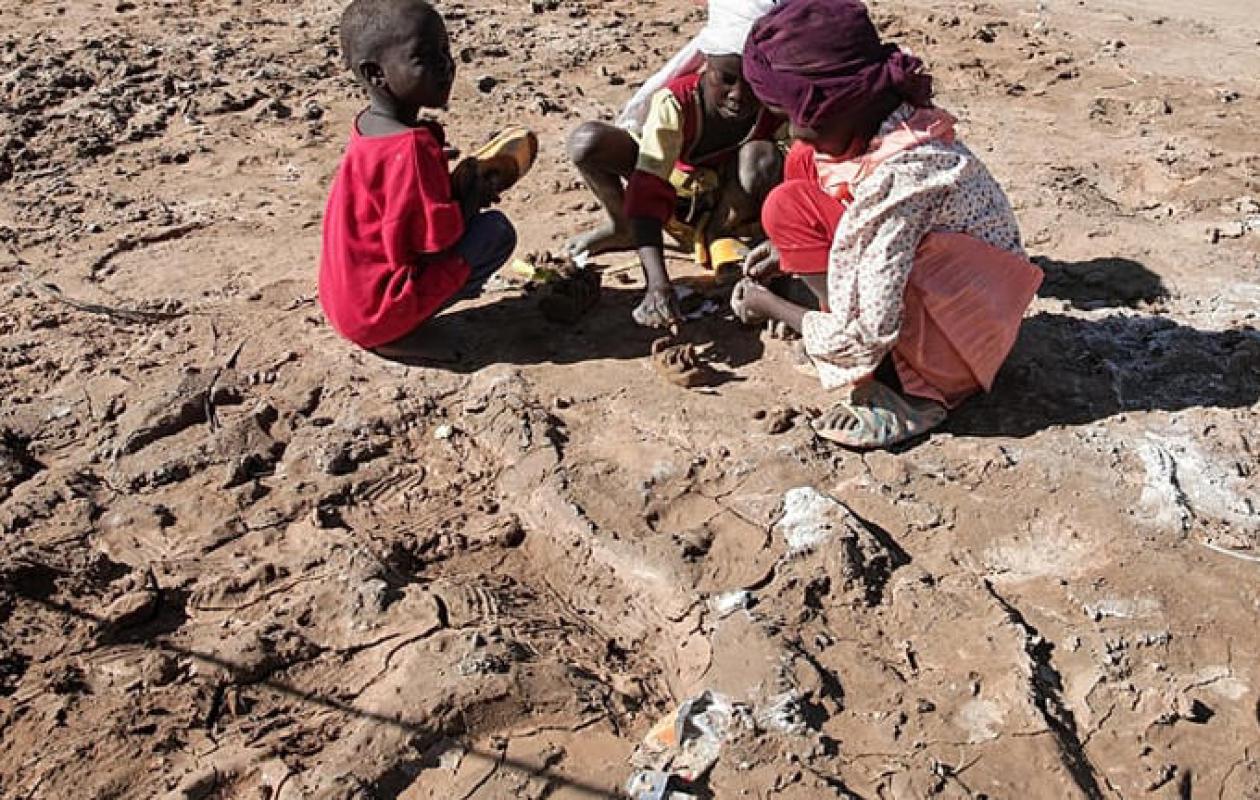
Soudan : le long chemin de la guérison pour les enfants séparés de leur famille
The crisis in Sudan , which began in April 2023, continues to wreak havoc, having already displaced 12 million people , according to the WHO. Among the most vulnerable are children, many of whom have been separated from their families while fleeing the violence.
In the last month alone, more than 400 children arrived at the Tawila camp alone, after escaping fighting in western Darfur.
The daily lives of these displaced young people are marked by profound distress and extreme vulnerability. Mathilde Vu , advocacy manager at the Norwegian Refugee Council (NRC) , testifies to this poignant reality:
"We see children taking care of other children because their parents have disappeared, because their parents have been detained. That's not safety. So yes, I think everyone here around me is very stressed, very traumatized by what's happening and knows that whatever calm situation they find themselves in is extremely fragile."
Despite the psychological support provided by humanitarian workers in Tawila, the trauma remains pervasive. The NRC emphasizes the vital importance of emergency education.
"That is why we are calling for more education during emergencies. It saves lives when so many children are currently experiencing terrible trauma: they have been starved for eighteen months, they have lost their homes, they have lost family members, they have made a terrible and deadly journey to Tawila."
Arriving at the camp was particularly difficult for these children, as Nidaa , a camp resident who interacts with them daily, recounts. Their initial state was marked by aggression and isolation.
"When they arrived here, their condition was aggressive. They were withdrawn, violent, and exhibited many negative behaviors. Thank God, after spending time with them and organizing several sessions, their condition improved."
Thanks to the support efforts, positive changes are observed. The children are now more open and engaged, interacting more with their peers:
"The child who was withdrawn or did not interact with other children, as well as the child who was aggressive and used to hit others, all became more engaged."
Gradually, these children, marked by the violence of the conflict, try to get used to and integrate into their new environment.











Commentaires (0)
Participer à la Discussion
Règles de la communauté :
💡 Astuce : Utilisez des emojis depuis votre téléphone ou le module emoji ci-dessous. Cliquez sur GIF pour ajouter un GIF animé. Collez un lien X/Twitter, TikTok ou Instagram pour l'afficher automatiquement.