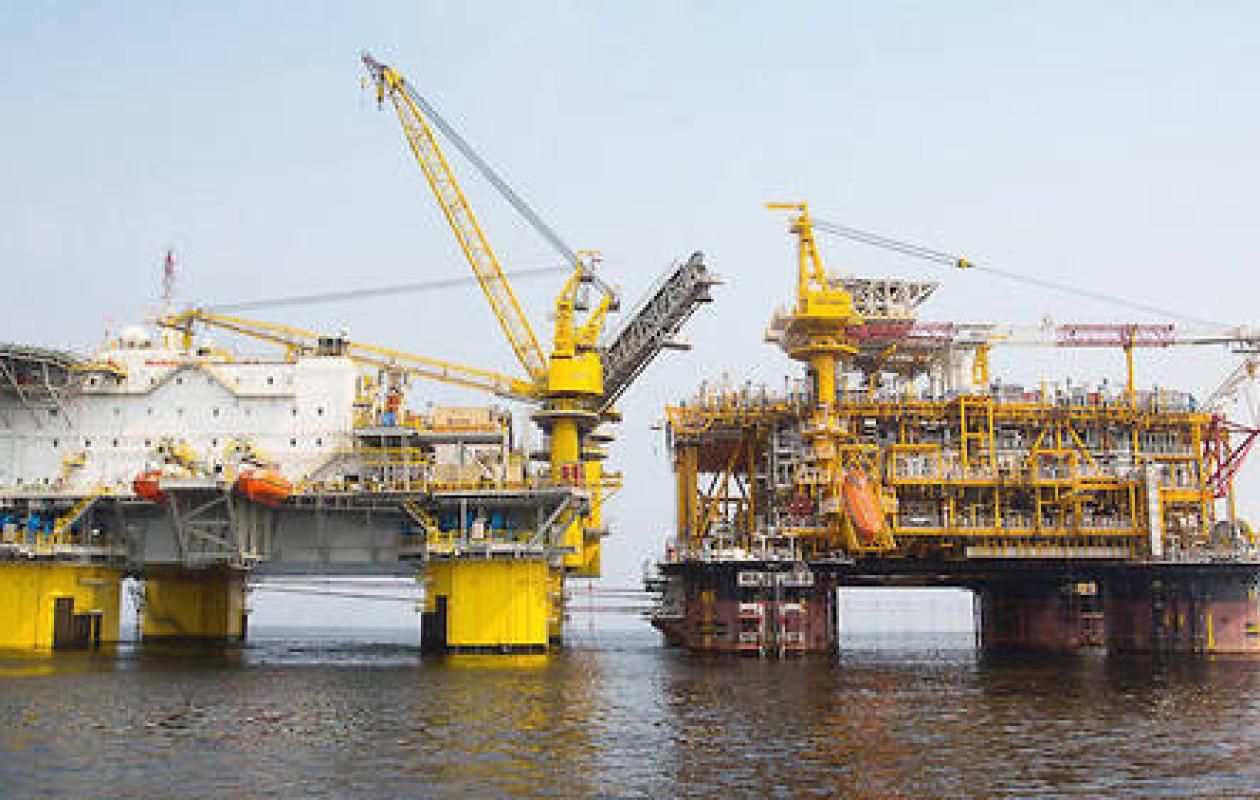
L’ascension fulgurante vers le sommet pétrolier africain
With the successive discoveries of the Baleine and Calao oil fields, Côte d'Ivoire is no longer content to simply watch the oil giants; it is preparing to join them. These reserves, estimated at over 6 billion barrels of oil equivalent , promise to transform the national economic landscape over the next decade.
For Essé Kouamé Bienvenu, Director General of Hydrocarbons, there is no ambiguity: we are facing “world-class” discoveries.
The impact of these resources extends far beyond the simple framework of export:
While enthusiasm is warranted, there is still a long way to go to equal the continent's historical leaders.
| Country | Key Strengths | Production / Capacity |
| Nigeria | Pillar of the economy (90% of exports). | 1.4 to 1.6 million barrels/day. |
| Libya | Africa's largest proven reserves. | 48 billion barrels in reserve. |
| Angola | Champion of deep offshore. | Approx. 1.1 million barrels/day. |
| Ivory Coast | Massive gas potential and rapid growth. | Emerging (in the ramp-up phase). |
Admittedly, Abidjan doesn't yet produce the massive volumes of Lagos or Luanda. However, the Ivorian strategy relies on a smart mix of oil (for revenue) and gas (for industry). Côte d'Ivoire is no longer just an agricultural country; it is becoming an energy powerhouse that will have to be reckoned with.
Note: The challenge in the coming years will be the local management of this windfall to ensure that the benefits directly contribute to the industrialization of the country.















Commentaires (0)
Participer à la Discussion
Règles de la communauté
💡 Astuce : Utilisez des emojis depuis votre téléphone ou le module emoji ci-dessous. Cliquez sur GIF pour ajouter un GIF animé. Collez un lien X/Twitter, TikTok ou Instagram pour l'afficher automatiquement.
Se connecter
Commentez avec votre profil, votre photo, et soyez averti des réponses.