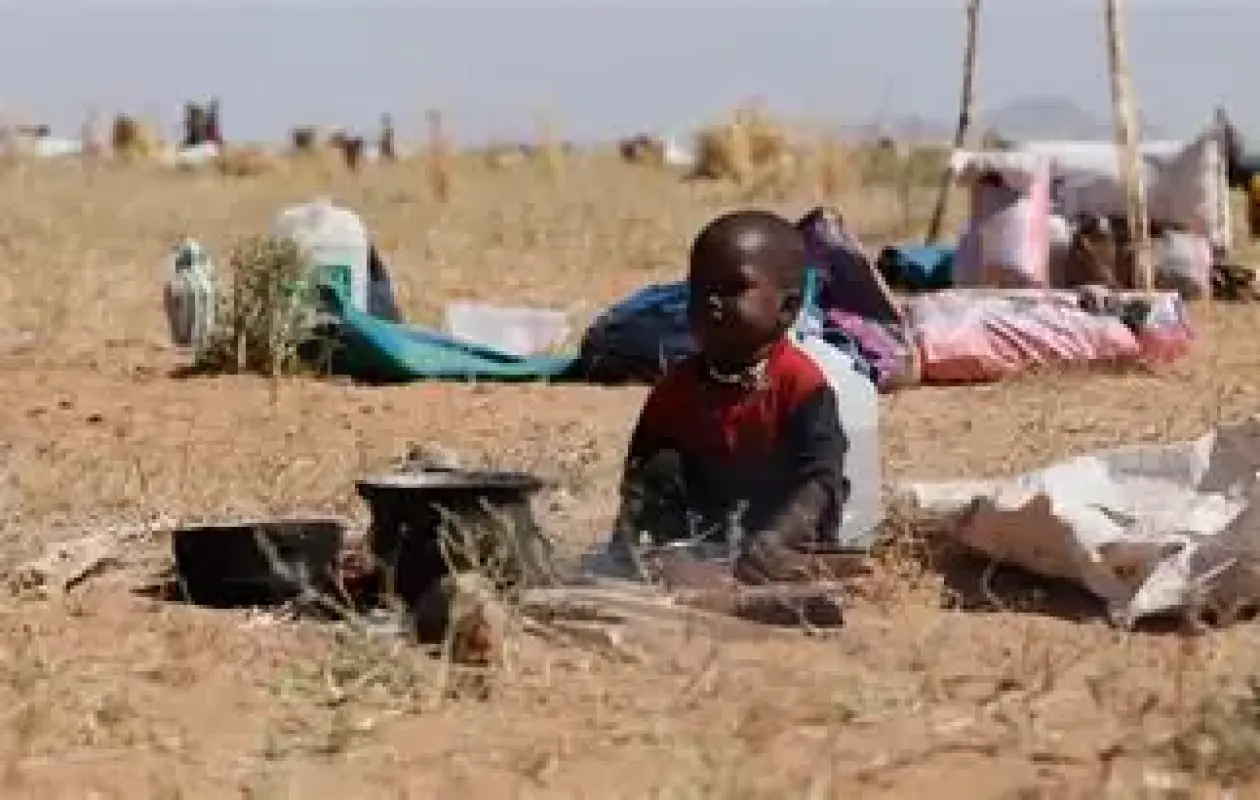
Horreur à El-Fasher : le témoignage d'un survivant forcé de creuser des fosses communes
Three months after the fall of El-Fasher to General Hemedti's Rapid Support Forces (RSF), the scale of the massacres perpetrated in Darfur is becoming clear. Between satellite imagery and survivor accounts, evidence of mass executions is mounting.
Ibrahim, 63, is one of those who experienced hell firsthand. Captured on October 26, 2025, while attempting to escape, he is being held in the former children's hospital, now converted into a prison. His daily life becomes macabre: collecting the dead bodies that litter the city.
"It was like a scene from the Last Judgment," he says, describing streets so cluttered with corpses that paramilitary vehicles sometimes drove over human remains.
Researchers at Yale University confirm this account. Through the analysis of satellite images, they have identified more than 130 mass graves in and around the city. The FSR's objective seems clear: to erase the evidence of large-scale massacres.
The main sites identified by the survivors:
Ibrahim's ordeal ended after 22 days, not out of compassion, but for a ransom. His family had to pay $10,000 to secure his release.
For the others, the situation was much bleaker:
Ibrahim's testimony was collected by the Darfur Emergency Committee . This Sudanese diaspora organization documents these crimes in the hope of one day bringing them to international justice.
Altahir Hashim, a volunteer on the ground, confirms that Ibrahim's story is not isolated: about thirty other survivors describe, in a consistent manner, the same systematization of horror and the location of the same mass graves.



















Commentaires (1)
Participer à la Discussion
Règles de la communauté
💡 Astuce : Utilisez des emojis depuis votre téléphone ou le module emoji ci-dessous. Cliquez sur GIF pour ajouter un GIF animé. Collez un lien X/Twitter, TikTok ou Instagram pour l'afficher automatiquement.
Se connecter
Commentez avec votre profil, votre photo, et soyez averti des réponses.